Mold Remediation Services for Your Home
Request an estimate
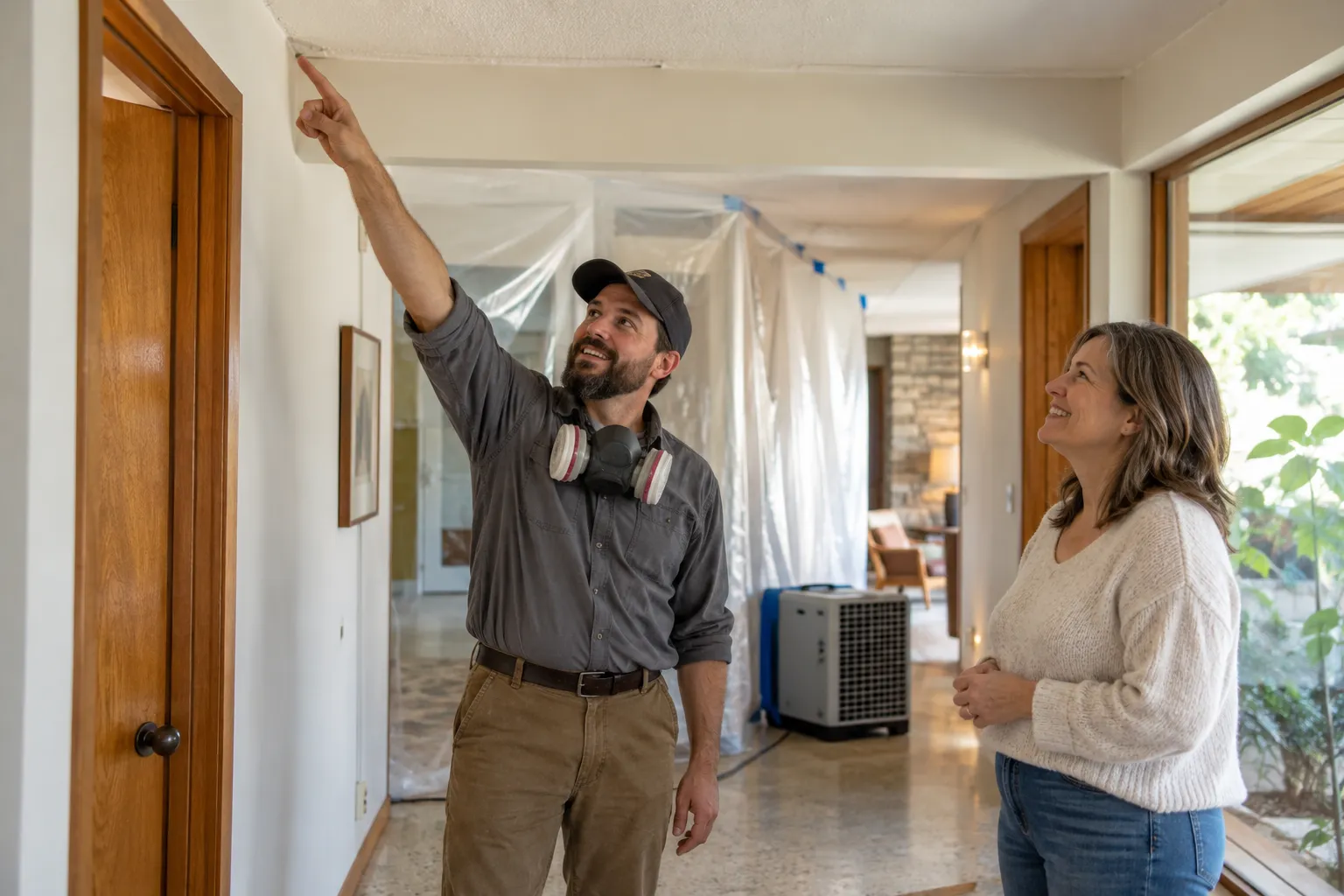
Mold remediation is the full process of dealing with mold in a house. A local provider checks how far it has spread, seals off the area, removes affected material, and cleans the space. Then the provider looks for the damp source behind it. Think of it like treating a leaky roof: patching the stain below does little until the leak above is fixed.
Hopedmarine Mold Help is a referral service. It does not do the work. It connects homeowners in American Canyon and the American Canyon area with independent providers in our network who handle residential mold removal. This page explains the early warning signs, what the work includes, and what to ask before you hire, so your first experience feels clear and calm.
Seen Something Odd? Start Here
Maybe you noticed a musty smell in a hall closet. Maybe a gray-green spot showed up in a ceiling corner. If this is your first time, take a breath. Mold is common, and it can be fixed. Remediation means a trained provider finds the mold, contains it, removes it, and corrects what let it grow. It works like pulling a weed: snipping the leaves is not enough, because the root keeps feeding it.
Early Signs Worth Acting On
Most mold gives hints before it shows itself. Catch it small, and the repair stays small too. Watch for these:
- A musty or earthy smell that comes back after you clean
- Stains or dark spots on ceilings, walls, or baseboards
- Paint that bubbles, peels, or looks chalky
- Window sills or corners that stay damp
- Allergy-like symptoms that ease when you leave the house
Any one of these is a reason to look closer. Do not scrub it and hope. Cleaning the surface can hide the clue without removing the cause.
Why Mold Gets Worse Over Time
Mold spreads a bit like a cold in a classroom. Tiny spores float through the air all the time. When a few land on a damp spot, they settle in and multiply. Within days, a patch can start. Over weeks, it can reach into drywall, insulation, and wood framing, where you cannot see it. A small patch on a surface is often a simple job. A hidden patch behind a wall is a bigger one.
Why Dry Seasons Can Fool You
A long dry season makes people relax. Yet moisture can hide in places the sun never reaches. Think of a damp sponge sealed in a bag: the air outside is dry, but the inside stays wet. Stucco ranch homes can trap water behind the wall. Slab homes can wick moisture upward. Raised foundations can hold humid air below the floor. Winter rain events then add fresh water, and smoke seasons keep windows shut, which limits airflow.
What Mold Remediation Includes
The exact plan depends on the home, but most jobs follow a pattern. It is like prepping a room before painting: you protect what you keep, remove what is damaged, then finish clean.
- Checking how far the mold has spread
- Sealing off the work area
- Running air filtration during the job
- Removing materials that cannot be saved
- Cleaning and drying the remaining surfaces
- A final check that the area is ready for repair
Why Containment Matters
Picture shaking a dusty rug indoors. The dust does not vanish, it just moves to the next room. Disturbed mold does the same. That is why providers hang plastic barriers and use air machines that pull air through filters. These steps keep spores in the work zone instead of drifting into bedrooms and vents. If a provider skips this step, ask why.
Fixing the Moisture Source
Removing mold without fixing the water is like mopping a floor while the tap still runs. The mold will return. Common sources include slow plumbing leaks, roof or window leaks, poor drainage near the foundation, and weak ventilation in baths and crawl spaces. A good provider points out the source or tells you which trade should repair it. Ask for this in writing.
Working With Your Insurance
Some policies may cover sudden damage, such as a burst pipe. Mold from slow leaks or long-term humidity is often treated differently. Check your policy and ask your insurer before work starts. Providers can often help document damage for a claim, with photos, notes, and a written scope of work. Keep every record.
Choosing a Remediation Provider
Hiring for the first time is easier with a short checklist. Think of it like picking a mechanic: you want clear answers before the car goes up on the lift.
- A written scope that lists rooms, materials, and methods
- A containment plan you can understand
- A plan for the moisture source
- Proof of the licenses and certifications your area requires
- A written quote with clear terms
Plain-word answers are a good sign. Confusing ones are a reason to ask again.
After Remediation
After a deep clean, you still wipe the counters. Mold prevention works the same way. Ask the provider for a final check of the cleaned area. Keep indoor humidity roughly between 30 and 50 percent. Run bath and kitchen fans, keep vents clear, and fix small leaks fast. If you notice a smell or stain returning, take that as an early warning and act on it.
What's Included
Spread Check and Planning
A provider looks at how far the mold reaches and writes a plan that fits your home.
Containment and Air Filtration
Plastic barriers and filtered air machines help keep spores from drifting into the rest of the house.
Removal and Cleaning
Damaged materials come out, and the remaining surfaces get cleaned and dried.
Moisture Source Guidance
The provider helps find what fed the mold so you can fix it before repairs begin.
Typical Remediation Cost Ranges
Costs depend on how much mold there is, where it hides, and what must be removed. These are typical U.S. ranges only. Prices vary by job and by provider, so always get a written quote before work begins.
| Item | Typical range | Notes |
|---|---|---|
| Small surface area | $500 – $1,500 | One small spot, easy access, little material removal |
| One room | $1,500 – $4,000 | Common for bathrooms, closets, and bedrooms |
| Drywall removal and disposal | $1,000 – $3,000 | Depends on wall size and how deep the mold goes |
| Crawl space or attic | $2,000 – $6,000 | Hard access and insulation often add to the price |
| Whole-home or large job | $6,000 – $15,000+ | Wide spread, many rooms, or hidden growth in walls |
| Moisture source repair | $300 – $5,000+ | Separate trade; ranges from a pipe fix to roof work |
How It Works
Share What You See
Tell us about the smell, stain, or leak, and where in the home you noticed it.
Request Your Estimate
Send the short form so a local provider can review your situation and respond.
Compare Written Quotes
Look at the scope, containment plan, and moisture fix before you decide.
Schedule the Work
Pick a provider and set a time that suits your household.
Why Call Hopedmarine Mold Help
Plain Explanations
Providers in our network can explain each step in everyday words, so a first-timer knows what to expect.
Local Providers
You are matched with independent providers who know the homes and weather patterns in your part of the state.
Clear Quotes
Request an estimate and compare written scopes before choosing, with no obligation to move forward.
Calm First Step
Start with a look at the problem, not a sales push or a scare.
Other Services
Need mold remediation services in American Canyon?
Seeing a stain, smelling something musty, or just unsure? Send a request and a local provider in our network will follow up with next steps.
No obligationMold Remediation Services FAQ
How do I know if I need mold remediation or just cleaning?
Small surface spots on hard materials can sometimes be cleaned. If mold keeps returning, covers a larger area, or sits on drywall or wood, a provider should check it and advise on removal.
Is it safe to stay in my house during mold removal?
It depends on the size of the job and the containment used. The provider can tell you whether to leave, especially for children, older adults, or anyone with asthma or allergies.
Will homeowners insurance pay for mold remediation?
Some policies may cover mold tied to sudden damage, like a burst pipe. Mold from slow leaks is often excluded. Check your policy and ask your insurer before work starts.
Reach a local provider
Seeing a stain, smelling something musty, or just unsure? Send a request and a local provider in our network will follow up with next steps.
No obligation